I know, for the time being your team is small and you are playing all roles by yourself.
But imagine having a split personality disorder, where on certain weekdays you are a "Mr. Designer" without hard programming skills.
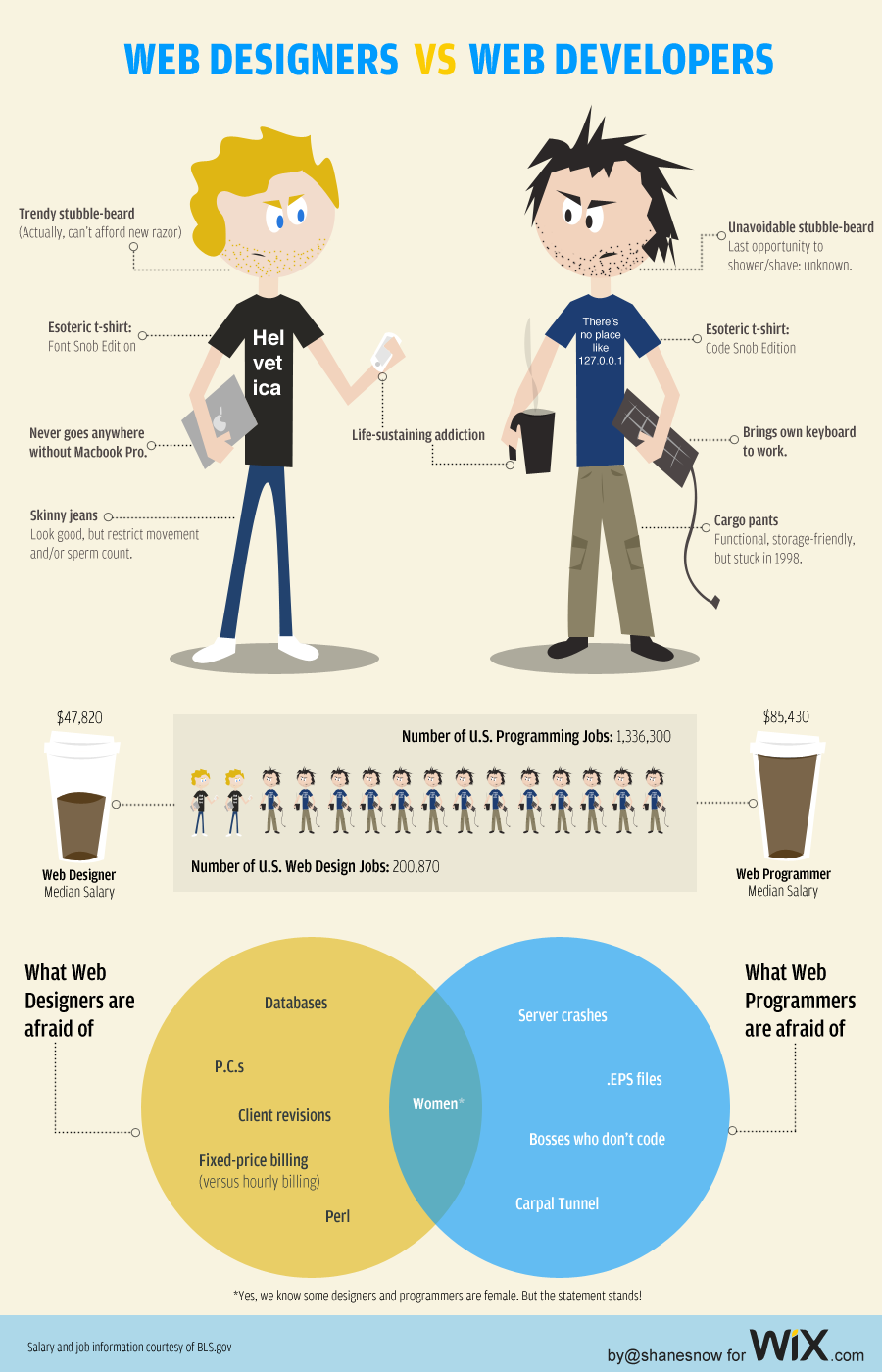
This cartoon reflects my experience quite well
Your "Dr. Programmer" should try to offer your Mr. Designer a custom Perl-function to be embedded
($visible,$hidden) = divide_by_words($text,100)
which is maintained in a dedicated view-helper module.
One day you might realize that web-design is not your forte and you want to hire someone creative who is good with colors, fonts, user experience, pink unicorns and so on.
No need to require Perl or Regex skills then, your Perl programmers will maintain the central view-helper-module for the designer.
And one day the programmer will realize that split / +/ is not a good idea and fix it at one central place instead of dozens of templates.
And the designer can decide to change the "100" to another number depending on output media and page.
One anecdote: (I told this before ...)
My first payed Perl job was in a (former) start up which created little interactive ads embedded in thousands of partnering web-sites.
The team was divided into programmers, designers, dev-ops, some DBAs and (pseudo) management.
To my horror I realized that JS was considered the responsibility of the designers who couldn't really code ... (well with one exception).
That worked reasonably well as long as they only used standard features from frameworks like MooTools, but imagine the C&P disaster when they googled for more complex logic.
I tried to argue that it'll be wiser if someone from the Perl department provided the JS coding. But that's how I learned how management "works".
Disclaimer:
I'm a bad designer and have the highest respect for good ones.
If you leave web-design to programmers you'll end up in sites like this one.
Cheers Rolf
(addicted to the Perl Programming Language :)
Wikisyntax for the Monastery
In reply to Re^3: Splitting long text for Template
by LanX
in thread Splitting long text for Template
by Bod
| For: | Use: | ||
| & | & | ||
| < | < | ||
| > | > | ||
| [ | [ | ||
| ] | ] |